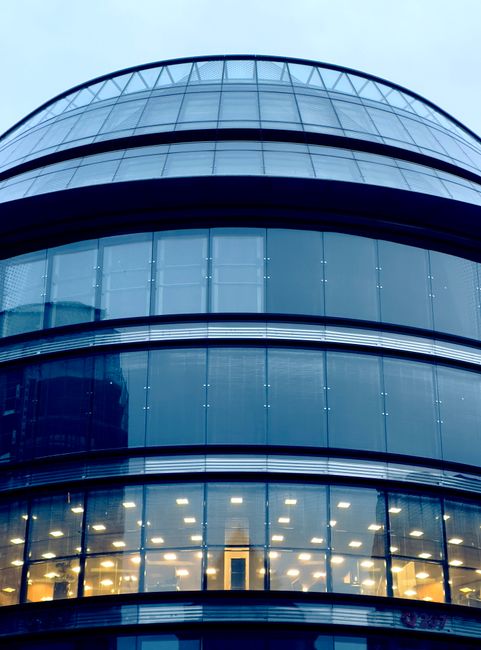
SW1 office building cleaning guide Westminster

If you manage, lease, or work in an office building in SW1, cleaning is not just about keeping the place looking presentable. It affects first impressions, staff comfort, hygiene, building value, and, to be fair, how smoothly the day runs. This SW1 office building cleaning guide Westminster is written for real-world use: the kind of guidance that helps you decide what to clean, how often to clean it, and when to bring in a professional team. Westminster offices can be busy, high-footfall spaces with mixed uses, older building layouts, and tight turnaround times, so a sensible cleaning plan matters more than ever.
Below, you'll find a practical approach to office cleaning in SW1, from common problem areas and best practices to compliance, methods, and a simple checklist you can actually use. No fluff. Just the bits that help.
- Why SW1 office building cleaning matters
- How office cleaning works in practice
- Key benefits and practical advantages
- Who this is for and when it makes sense
- Step-by-step guidance
- Expert tips for better results
- Common mistakes to avoid
- Tools, resources and recommendations
- Law, compliance, standards, or best practice
- Options, methods, or comparison table
- Case study or real-world example
- Practical checklist
- Conclusion
- Frequently asked questions
Why SW1 office building cleaning guide Westminster matters
SW1 is a distinctive part of Westminster. Offices here often sit in buildings with a mix of older architecture, dense occupancy, visitor traffic, and premium expectations. That combination changes the cleaning job quite a bit. Dust collects in corners faster than people expect, shared lifts get smudged by lunch time, and reception areas can go from polished to tired-looking in a single busy morning.
A good office cleaning plan does more than make things look tidy. It helps reduce the buildup of grime on touchpoints, supports a healthier working environment, and protects surfaces that are expensive to repair or replace. Let's face it, replacing worn flooring or stained upholstery costs far more than keeping them clean in the first place.
For businesses in Westminster, office cleanliness also plays into reputation. Visitors notice the scent of a room, the state of the carpets, the shine on hard floors, and the condition of shared bathrooms. Staff notice too. People work differently in a clean space. It is calmer, easier to focus in, and usually easier to maintain as well.
There is another layer here: building management. In multi-tenant offices, cleaning is often tied to access windows, landlord expectations, and shared-area standards. That means the cleaning approach needs to be coordinated, not improvised. A one-size-fits-all routine can leave gaps in high-use areas such as entrances, stairwells, breakout rooms, and communal kitchens.
How SW1 office building cleaning guide Westminster works
Office building cleaning usually works best as a layered system. Rather than treating the whole building the same way every day, you divide tasks by frequency and priority. Some areas need attention daily, some weekly, and some only occasionally but very thoroughly.
In a typical SW1 office building, the cleaning plan may cover:
- Daily cleaning of desks, bins, kitchen areas, toilets, entrances, and high-touch points
- Weekly cleaning of skirting, glass partitions, internal windows, and detailed dusting
- Periodic deep cleaning for carpets, upholstery, hard floors, and harder-to-reach spaces
- Specialist cleaning after refurbishments, spills, tenant moves, or seasonal build-up
The exact schedule depends on footfall, layout, and the type of business in the building. A busy consultancy near transport links will need a different routine from a quieter professional suite used by a small team. This is where a tailored plan matters more than a generic checklist.
If your office has a lot of carpeted space, for example, it may benefit from periodic commercial carpet cleaning or even steam carpet cleaning to deal with ground-in dirt and dull traffic lanes. Hard floors, meanwhile, usually need a different approach altogether, often supported by hard floor cleaning so they stay safe and presentable.
One thing people sometimes forget: cleaning is not only about visible dirt. It is also about managing odours, allergens, and residue. In practical terms, that means paying attention to carpets, upholstery, curtains, and areas where smells hang around longer than they should.
Key benefits and practical advantages
A well-run office building cleaning routine in SW1 brings more benefits than people often expect. Some are obvious. Others creep up on you slowly.
- Better first impressions for clients, interviewees, and visiting partners
- Improved staff morale, because tidy spaces feel more manageable and less draining
- Reduced wear and tear on carpets, flooring, furniture, and fixtures
- More consistent hygiene in shared kitchens, washrooms, and touchpoint areas
- Lower disruption when cleaning is scheduled properly around working hours
- Better building management across multi-occupancy spaces
There is also a subtle operational benefit: cleaner spaces are easier to keep clean. Once dust, spills, and clutter are allowed to build up, the whole job becomes heavier, slower, and more expensive. Regular attention avoids that spiral.
For businesses trying to balance standards and budget, planned regular cleaning often gives the best value because it prevents minor mess from becoming major work. When a space is already in decent condition, each visit works harder.
And yes, reception areas matter. But so do the quiet corners behind printers, the inside of lift buttons, the handle on the fire door, and the chair that everyone uses but nobody claims. Those little details separate a surface-level clean from a proper one.
Who this is for and when it makes sense
This guide is useful for office managers, facilities coordinators, landlords, managing agents, business owners, and tenants with responsibility for a Westminster workspace. It also helps if you are preparing for a new lease, a tenant handover, or a post-refurbishment reset.
It makes sense to prioritise professional office building cleaning when:
- the building has shared areas used by multiple teams
- you are noticing dust, odours, or visible grime returning quickly
- carpets or flooring are starting to look tired
- visitors regularly enter the building through reception or waiting areas
- you need cleaning outside normal working hours
- there has been a build-up after building works or occupancy changes
If your office is small, you may only need a compact routine and the occasional one-off cleaning visit. If your building has shared corridors, washrooms, and entrance mats, it is more likely to need a structured commercial plan with recurring tasks and periodic deeper work.
For landlords and agents, this is especially relevant between occupiers. A move-in-ready environment is easier to hand over, easier to let, and generally easier to keep stable. If a previous tenant has left behind marks, dust, or clutter, a move-in cleaning style reset may be the practical starting point.
Truth be told, the trigger is often simple: if staff start complaining about the kitchen, the bins, or the smell in the corridor, the cleaning plan probably needs a rethink.
Step-by-step guidance
A sensible office cleaning plan does not begin with mopping. It begins with a quick assessment. What is being used most, what gets dirty fastest, and what would be most embarrassing for a visitor to see? Those are your priorities.
- Survey the building
Walk through reception, offices, kitchens, washrooms, corridors, lifts, stairwells, and any shared tenant spaces. Look for dust, fingerprints, smells, floor wear, and clutter traps. - Group areas by risk and traffic
High-touch zones such as door handles, switches, reception desks, and lift controls need more frequent attention than storage rooms or low-use meeting spaces. - Choose the cleaning frequency
Daily for essentials, weekly for detail, monthly or quarterly for deeper maintenance. Buildings with heavier footfall may need more frequent intervention. - Assign methods by surface
Glass, carpet, vinyl, stone, laminate, metal, and upholstery all need different care. Using the wrong product can dull a finish or leave residue behind. - Plan access and timing
In SW1, access windows can be tight. Cleaning may need to happen before opening, after hours, or during quieter periods to avoid disruption. - Document what has been done
Simple records help with accountability, tenant communication, and quality control. Nothing fancy, just clear notes. - Review and adjust
If an area keeps becoming dirty too quickly, it probably needs a different frequency or method. That is normal. Buildings change.
A practical example: if the reception carpets darken near the entrance mat within a few weeks, the answer may not be "clean the carpet harder." It may be improving matting, adjusting the vacuum schedule, and planning periodic carpet cleaning or steam treatment.
Small adjustments often make the biggest difference. A better mat, a faster response to spills, or a more suitable floor product can save hours later. That part gets overlooked a lot.
Expert tips for better results
Here are the details that usually separate a decent result from a really solid one.
- Start at the top, finish at the floor. Dust falls. If you clean the floor first, you may just be undoing your own work.
- Use the right cloth for the surface. Microfibre is often useful, but not every job wants the same texture or absorbency.
- Do not let kitchens become "the catch-all zone." Offices have a habit of turning one worktop into a dumping ground for mugs, papers, and lunch leftovers. It happens fast.
- Pay attention to scent. A room can look clean and still feel stale. Odours often point to bins, drains, fabric build-up, or poor ventilation.
- Protect the finish. Over-wet cleaning can mark wood, soften adhesives, or leave slippery patches on hard floors.
- Deep clean before it is desperately needed. Waiting until carpets are visibly bad usually means more intensive treatment and more downtime.
If your office includes fabric chairs, meeting room sofas, or lobby seating, it is worth keeping an eye on staining and odour. A well-timed upholstery cleaning or sofa cleaning visit can freshen the whole room without changing anything else. You'd be surprised how much difference one tired chair can make to the feel of a space.
Another small but useful point: don't clean around obstacles forever. If a storage box has lived in the same corner for six months, move it. The dust behind it is usually worse than you think.
Common mistakes to avoid
Office cleaning problems are often caused by routine, not neglect. People settle into habits that seem harmless until they create avoidable issues.
- Using one method on every surface instead of matching the task to the material
- Ignoring shared spaces because nobody "owns" them
- Cleaning only what is visible and forgetting touchpoints, corners, and edges
- Delaying deep cleaning until stains are firmly set
- Scheduling cleaning at the wrong time, which disrupts staff or causes wet floors during busy periods
- Not checking access needs in advance, especially in buildings with security or multiple tenants
One particularly common issue in Westminster offices is underestimating shared circulation space. Lifts, stair rails, entrance mats, and corridor corners collect dirt at a surprising rate. If these areas are neglected, the building can feel scruffy even if the main office floor is tidy.
Another mistake is assuming deep cleaning is only for "messy" buildings. Not true. Many clean-looking offices still need periodic deep attention because dust, residue, and fine particles build up quietly. No drama, just physics.
Tools, resources and recommendations
You do not need a massive toolkit to maintain a professional office building, but you do need the right kit for the surfaces and layout involved.
| Area | Useful approach | Why it helps |
|---|---|---|
| Reception and entrances | Frequent vacuuming, spot cleaning, glass and touchpoint wipes | Keeps first impressions sharp and reduces visible dirt |
| Carpeted offices | Routine vacuuming plus periodic commercial carpet care | Prevents dulling, tracking, and embedded dust |
| Hard floors | Appropriate neutral cleaners and specialist floor maintenance | Protects finish and reduces slip risk |
| Kitchens | Degreasing, sink care, bin emptying, and surface sanitising | Controls odour and hygiene problems |
| Washrooms | Frequent sanitising, restocking, and detailed checks | Maintains cleanliness and user confidence |
For buildings with a mix of fabric and floor surfaces, combining deep cleaning with targeted services can be more efficient than treating everything as one job. For example, an office may need a floor refresh, window cleaning, and a carpet pass rather than a full building shutdown.
If the building has large glass frontage or lots of internal glass, window cleaning can make a big visual difference very quickly. Clean windows lift natural light, which in turn makes the whole office feel more open and better cared for.
For entry areas with persistent dullness or dirt transfer, it can also help to review matting, cleaning frequency, and the condition of the immediate approach route. Sometimes the issue is not the inside cleaning at all. It starts at the door.
Law, compliance, standards, or best practice
Office cleaning in Westminster should be handled with sensible care around health, safety, access, and waste management. While the exact requirements vary by building type and contract, a professional approach normally includes clear risk assessment, safe product use, and proper communication with occupants.
In practice, that means:
- using suitable products for the surface and task
- avoiding blocked exits and wet-floor hazards
- keeping cords, equipment, and cleaning materials stored safely
- using contractors who understand building access and working hours
- following site-specific instructions for security and shared occupancy
For many workplaces, the sensible benchmark is not just "clean enough to look fine." It is a combination of tidy appearance, safe operation, and consistency. That is where documented routines, staff communication, and responsible product handling become part of the service rather than an afterthought.
If you are comparing providers, it is sensible to ask about insurance, safety procedures, and how complaints are handled. Those details may seem dry, but they matter when a building has multiple users and not much room for error. You can review helpful site information such as insurance and safety information and the health and safety policy to understand how a cleaning business frames those responsibilities.
Best practice is also about transparency. Good communication about timings, access, and any temporary disruption can prevent small issues from becoming annoying ones. Nobody wants to discover a wet corridor just as the morning rush starts.
Options, methods, or comparison table
Different buildings in SW1 need different cleaning models. The right choice depends on how busy the office is, what surfaces it has, and how much downtime you can tolerate.
| Method | Best for | Strengths | Limitations |
|---|---|---|---|
| Daily routine cleaning | Occupied offices with steady footfall | Keeps the workspace consistently presentable | May miss deeper build-up over time |
| Periodic deep cleaning | Offices with carpets, fabrics, or stubborn residue | Removes embedded dirt and refreshes the space | Needs more planning and access |
| One-off reset clean | Post-event, post-tenancy, or post-project spaces | Fast way to restore order | Not a substitute for maintenance |
| Targeted specialist cleaning | Floors, carpets, glass, upholstery, or stain issues | Efficient and surface-specific | May need several services to cover the whole site |
If your building is generally in good shape but needs occasional refreshes, a service like one-off cleaning may be enough between regular visits. If the site is occupied every day and includes common spaces, pairing routine work with specialist support usually gives a stronger result.
There is no magic answer here, honestly. The best method is the one that fits the building's rhythm without becoming a nuisance to the people using it.
Case study or real-world example
Picture a Westminster office building with a small reception, two floors of offices, a shared kitchen, and carpeted corridors. The building looks fine at first glance. But by midweek, fingerprints build up on glass doors, the kitchen bin area smells a little stale, and the corridor carpet starts to show a worn path near the lift.
A sensible response would not be to overclean everything. Instead, the manager might:
- increase touchpoint cleaning at reception
- move the bin area to a more workable routine
- introduce deeper carpet maintenance every few weeks
- schedule glass and window work separately
- review floor mats at entrances
After that, the building begins to feel easier again. The kitchen smells fresher. The carpet no longer looks grey in the same places. Staff stop joking that the lift button has its own fingerprint pattern. That sounds small, but it matters. The space feels better to work in.
For buildings that have recently had work done, a post-project clean can be useful too, especially where dust has settled into unusual places. In those cases, after builders cleaning can help remove fine debris that regular cleaning may not fully catch.
That kind of reset is often what turns a "good enough" space back into a proper professional environment.
Practical checklist
Use this checklist as a quick planning tool before agreeing a cleaning routine or reviewing your current setup.
- Walk through the full building, not just the main office space
- Identify the highest-traffic and highest-touch areas
- Check which surfaces need specialist treatment
- Separate daily tasks from weekly and periodic tasks
- Confirm access times and security requirements
- Review washrooms, kitchens, and bins carefully
- Inspect carpets, mats, and fabric seating for stains or wear
- Look at glass, mirrors, and entrance doors for smears
- Check whether hard floors need slip-safe maintenance
- Make sure the cleaning plan fits the actual footfall, not an idealised version of it
- Keep a simple log of completed work and recurring issues
- Revisit the plan after busy periods, events, or tenant changes
Expert summary: The best SW1 office cleaning plans are simple, specific, and reviewed often. They focus on the spaces people touch every day, then add deeper treatment where wear is building up. That combination keeps the office looking sharp without creating unnecessary disruption.
Get a free quote today and see how much you can save.
Conclusion
A strong office cleaning plan in SW1 is not about chasing perfection. It is about building a routine that keeps the workplace clean, safe, and professional without making life harder for the people inside it. Westminster offices tend to have busy access patterns, varied building layouts, and higher presentation expectations, so thoughtful planning pays off quickly.
If you focus on the high-traffic areas, clean by surface type, and schedule deeper work before the building starts looking tired, you will usually stay ahead of the problem. And that is the real win here: fewer issues, less rush, and a workplace that feels looked after.
Sometimes the quietest part of a good office is that nobody has to think about the cleaning. It just works. That's the goal, really.
Frequently Asked Questions
What should be included in an SW1 office building cleaning plan?
A proper plan usually includes reception, desks, kitchens, washrooms, corridors, lifts, stairwells, windows, bins, touchpoints, and any shared tenant areas. It should also separate daily cleaning from weekly and periodic deep cleaning.
How often should office buildings in Westminster be cleaned?
It depends on occupancy and footfall, but many offices need daily cleaning for high-use areas and more detailed work on a weekly or monthly cycle. Busy shared buildings often need more frequent attention than smaller private offices.
Is deep cleaning necessary if the office already looks tidy?
Yes, often it is. An office can look tidy while still holding dust, residue, odours, and embedded dirt in carpets or upholstery. Deep cleaning helps reset those hidden problem areas before they become obvious.
What are the most commonly missed areas in office building cleaning?
Lift buttons, door handles, skirting, behind bins, under desks, glass partitions, stair rails, and entrance mats are commonly missed. These areas collect dirt and fingerprints quickly, especially in busy buildings.
Should carpeted offices use specialist cleaning?
If carpets are heavily used, yes. Routine vacuuming helps, but periodic specialist treatment can remove deeper dirt, restore appearance, and reduce the dull traffic-lane look that develops over time.
What is the difference between regular cleaning and one-off cleaning?
Regular cleaning is planned and recurring, usually to keep a building consistently presentable. One-off cleaning is more suitable for resets, unusual build-up, or a specific event such as a tenant change or post-work cleanup.
How do I know whether hard floors need professional cleaning?
If floors look dull, feel slippery, show scuffs, or are difficult to keep clean with routine mopping, a specialist hard floor clean may help. Different floor materials need different care, so it is worth checking the finish first.
Can office cleaning be done outside business hours?
Yes, and in many Westminster buildings that is the preferred option. Early morning, evening, or weekend cleaning can reduce disruption and make access easier for both cleaners and staff.
What should I ask before booking a cleaning provider?
Ask about experience with office buildings, access planning, insurance, health and safety procedures, the services included, and how issues are handled if something goes wrong. Clear answers are usually a good sign.
Do shared office buildings need a different approach from single-tenant offices?
Usually yes. Shared buildings need better coordination because corridors, kitchens, washrooms, and entrances serve multiple users. That means cleaning responsibilities and timing have to be more carefully organised.
How can I reduce cleaning issues between visits?
Simple habits help: empty bins regularly, deal with spills quickly, keep entrance mats in good condition, and avoid cluttering shared areas. Small daily discipline really does make a difference.
Where can I learn more about the company behind this service?
You can review the business background on the about us page and check service and policy information such as pricing and quotes or commercial cleaning if you want to compare options for a Westminster office building.