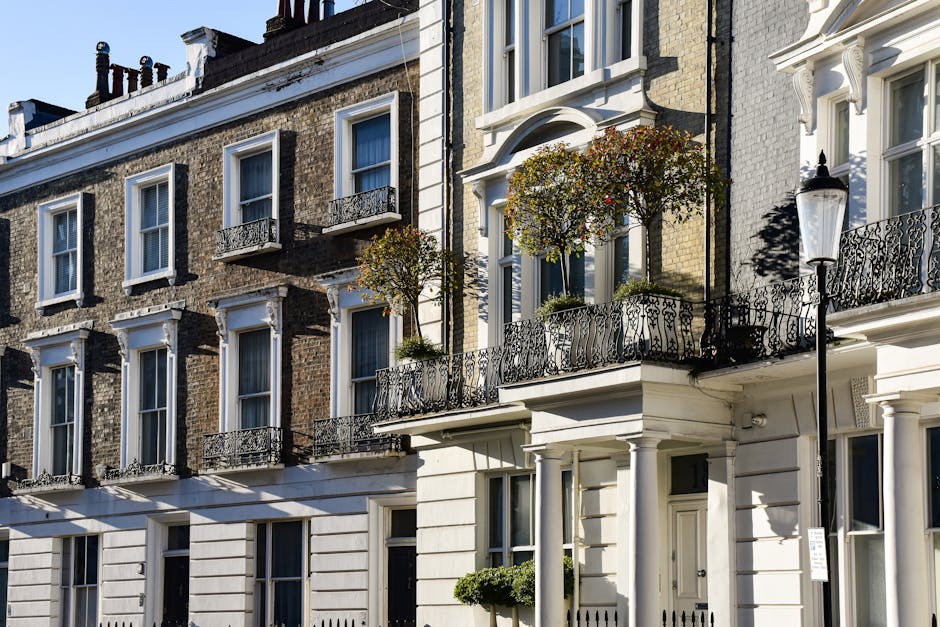
Regency Street townhouse deep cleaning guide Westminster

If you live in, manage, or are preparing a Regency Street townhouse in Westminster, a proper deep clean can feel like a turning point. Not a quick tidy, not a surface wipe - the real thing. The kind that gets behind radiators, lifts grease from the kitchen, restores tired skirting boards, and leaves a place feeling properly reset. This Regency Street townhouse deep cleaning guide Westminster is designed to help you plan that job sensibly, whether you are moving in, moving out, tackling years of build-up, or just wanting the property to feel fresh again.
Townhouses in central London often come with their own quirks: narrow staircases, older detailing, mixed flooring, decorative features, and the occasional mystery corner that seems to collect dust for sport. That is normal. The trick is to clean in the right order, use the right methods, and know where the effort really matters. Let's get into it.
Why Regency Street townhouse deep cleaning guide Westminster Matters
A townhouse on or near Regency Street is rarely the kind of property you can refresh with a light once-over and call it done. There are usually multiple levels, high-traffic entry points, detailed woodwork, and a mix of rooms that have gathered everyday wear in very different ways. Deep cleaning matters because these properties show dust, scuffs, and grease in a more obvious way than many modern flats. High ceilings are lovely, until you notice the cobweb in the corner. Classic London charm, eh?
In Westminster, properties are often used intensively: family homes, professional lets, short-stay accommodation, or long-term rentals between tenants. Each use case leaves its own marks. A deep clean is not just about appearances; it helps reset hygiene, protect finishes, and make inspections less stressful. That can be especially important before a sale, after renovation, or ahead of a tenancy handover.
There is also a practical side people sometimes overlook. Built-up grime can shorten the life of soft furnishings, dull hard floors, and make kitchens and bathrooms harder to maintain going forward. Once the residue layers build up, routine cleaning becomes a bigger slog. A proper deep clean breaks that cycle.
Expert summary: The best townhouse deep clean is systematic, not frantic. Start high, work down, and give the hidden problem areas the most attention: kitchens, bathrooms, skirting, doors, stair rails, vents, and flooring edges.
How Regency Street townhouse deep cleaning guide Westminster Works
A good deep clean follows the layout of the property, not just the mood of the day. In a Westminster townhouse, that means planning room by room, floor by floor, and paying close attention to materials. Painted walls need a different approach from marble sills. Natural wood needs gentler treatment than laminate. And old London properties can be a bit sensitive - they tell you very quickly when a product is too harsh.
The process usually starts with decluttering, then dry dusting, then detailed cleaning, then targeted treatment for stains, limescale, grease, and odours. That sequence matters. If you scrub too early, you can push dust into wet grime and make more work for yourself. Nobody wants to do a job twice. Not if they can help it.
In practice, a townhouse deep clean often includes:
- top-to-bottom dust removal
- kitchen degreasing and appliance cleaning
- bathroom descaling and sanitising
- skirting boards, doors, frames, and switches
- staircase detailing and banister cleaning
- vacuuming and mopping with attention to edges
- window cleaning inside, and sometimes outside where access allows
- fabric and upholstery treatment where needed
If the property has just had works done, it may overlap with after builders cleaning. If it is a changeover between occupants, it may make more sense to combine it with end of tenancy cleaning or move in cleaning. Choosing the right approach saves a lot of faff later.
Key Benefits and Practical Advantages
Let's be fair, the obvious benefit is that the property looks better. But a deep clean gives you more than a nice smell and shiny taps. It changes how the home feels to live in. Rooms seem brighter. Surfaces stop feeling sticky or dull. You notice the place differently when you walk in.
Here are the practical gains that matter most in Westminster townhouses:
- Better presentation: Ideal for viewings, inspections, or guest turnover.
- Improved hygiene: Especially in kitchens, bathrooms, and high-touch areas.
- Preservation of finishes: Regular attention helps protect wood, stone, fabrics, and metal fittings.
- Reduced odours: Old cooking smells, pet odours, and stale room air are easier to tackle deeply than superficially.
- Lower day-to-day cleaning effort: Once the build-up is removed, regular cleaning becomes simpler.
- Better move outcomes: Fewer disputes, smoother handovers, more confidence at the final walkthrough.
There is also a less obvious benefit: a thorough reset can reveal small maintenance issues. Loose seals, cracked grout, hidden leaks, worn caulking, damaged sealant, tired carpet edges - the sort of thing you only really spot when the dirt is out of the way. Useful, if slightly annoying at first glance.
Who This Is For and When It Makes Sense
This kind of deep clean is not only for extreme mess or end-of-tenancy drama. In fact, some of the most sensible times to do it are quite ordinary.
You may need a Regency Street townhouse deep clean if you are:
- moving into a new property and want a true fresh start
- moving out and need the place ready for inspection
- preparing a townhouse for sale or viewings
- managing a short-let or serviced accommodation changeover
- recovering after decorating, repairs, or building work
- bringing a long-unused room back into everyday use
- trying to get back on top of dust, grease, or allergens
For landlords and property managers, it is often about consistency. For homeowners, it can be about reclaiming time and headspace. Truth be told, once a townhouse starts feeling "a bit much", the job can feel bigger than it really is. A structured clean cuts that feeling down fast.
If you also need broader domestic support, it may be worth looking at domestic cleaning, one off cleaning, or even regular cleaning if you want the property maintained after the deep clean.
Step-by-Step Guidance
Below is a practical sequence that works well for most Westminster townhouses. It is not the only way, but it is a reliable one.
1. Walk through the whole property first
Start with a slow walk from top floor to ground floor. Note problem areas, heavy build-up, delicate surfaces, stains, damaged grout, and access issues. If the staircase feels dusty even after a quick sweep, that usually means you need more detailed edge cleaning and bannister attention.
2. Declutter and remove loose items
Put away clothing, papers, small appliances, toys, and anything that blocks access. This sounds obvious, but it makes a huge difference. Deep cleaning around clutter tends to look productive while actually missing half the job. A classic trap.
3. Dust from the top down
Use microfiber cloths or a suitable duster on ceiling corners, light fittings, coving, picture rails, shelves, curtain poles, and high ledges. In older townhouses, dust likes to hang about in decorative details. Work slowly. That fine layer around the top of a room can drift down everywhere else if you rush it.
4. Tackle the kitchen properly
Degrease cupboard fronts, splashbacks, hobs, extractor surfaces, handles, and appliance exteriors. Clean inside microwaves, ovens, and fridges if they are part of the scope. If the oven is badly built up, a specialist oven cleaning service may be more efficient than a long wrestle with burnt residue.
5. Deep clean bathrooms and WCs
Descale taps, shower screens, tiles, basins, toilets, and fittings. Pay attention to grout lines and the base of taps, where water marks collect quietly over time. A bathroom can look "fine" until you get into the corners. Then it tells the truth.
6. Refresh living rooms, bedrooms, and hallways
Vacuum carpets thoroughly, including edges and under reachable furniture. Clean skirting, switches, door handles, frames, and windowsills. If the property has soft furnishings or floor coverings with embedded dust or marks, services like carpet cleaning, sofa cleaning, or upholstery cleaning can make a dramatic difference.
7. Clean staircases and landings with care
Townhouse stairs get constant contact from hands, shoes, bags, and dust drifting from upper floors. Wipe balustrades, rails, newel posts, and risers. Check corners where dust gathers on steps and along wall edges. It is one of those areas people forget until they spot it in daylight. Morning light through a hallway can be unforgiving, to be fair.
8. Finish with floors and glass
Vacuum again after dusting, then mop suitable hard floors. Clean internal glass, mirrors, and windows. If you need a more complete finish, window cleaning can help with stubborn marks and a clearer overall presentation.
9. Do a final inspection
Look at the space as if you were arriving for the first time. Check under sinks, behind doors, behind radiators, around handles, and at low corners where dirt tends to hide. This last review is where the job often goes from "pretty good" to properly done.
Expert Tips for Better Results
A few small choices can save a lot of time and protect the property. In our experience, these are the details that separate a decent result from a genuinely strong one.
- Work dry before wet: Always remove loose dust first. Wet cleaning first just spreads the mess.
- Use the right cloths for the surface: Microfiber works well for most finishes, but delicate materials may need something softer.
- Test products discreetly: Especially on painted woodwork, stone, and older surfaces.
- Let products dwell where needed: Degreasers and descalers often need a minute to do their job.
- Open windows where possible: Good airflow helps with drying and odour removal. A little breeze makes a big difference.
- Use the right order in kitchens and bathrooms: Apply, wait, wipe, rinse, then inspect.
- Do edges last in floors: Corners and skirting lines are where the remaining dust usually hides.
One more thing: if the townhouse is being prepared for a guest stay or business use, consider combining the deep clean with Airbnb cleaning or commercial cleaning depending on how the property is being used. Different usage patterns need different priorities. That part matters more than many people think.
Common Mistakes to Avoid
Deep cleaning sounds straightforward, but a few common mistakes can ruin the result or make the process much longer than it needs to be.
- Starting with floors: You will just have to redo them after dust falls.
- Using too much product: More cleaner is not always better. Sometimes it leaves residue behind.
- Ignoring touchpoints: Switches, handles, railings, and bannisters matter because they get touched all the time.
- Forgetting hidden spaces: Behind bins, under sinks, under radiators, and behind appliances are classic problem zones.
- Scrubbing delicate finishes too hard: That can dull surfaces or strip protective coatings.
- Not checking odour sources: A room can look clean and still smell off because of upholstery, drains, bins, or vents.
Another common issue is underestimating the time it takes. A townhouse is not a small flat. Trying to rush through three floors in one short session usually means the corners lose out. And the corners always know.
Tools, Resources and Recommendations
You do not need a van full of equipment, but the right tools make the whole process smoother and safer.
| Area | Useful tools or products | Why they help |
|---|---|---|
| Dusting | Microfiber cloths, extendable duster, soft brush | Reach high corners, decorative details, and ledges without spreading dust around |
| Kitchen | Degreaser, non-scratch sponge, steam or hot cloths | Break down grease on cupboards, hobs, extractor areas, and splashbacks |
| Bathroom | Descaler, grout brush, limescale remover, squeegee | Helps with taps, screens, tiles, and visible water marks |
| Floors | Vacuum with attachments, mop, suitable floor cleaner | Edge cleaning and finish quality improve noticeably |
| Soft furnishings | Fabric-safe upholstery product, stain treatment, extraction cleaning where needed | Reduces odours and restores appearance on sofas, chairs, and rugs |
For specialist jobs, it can make sense to use dedicated services rather than trying to do everything manually. For example, mattress cleaning can help with hygiene and freshness, while rug cleaning is useful for areas that trap dust and foot traffic. If there are pet smells or accident marks, pet stain odour removal and stain removal are worth considering.
If you are weighing up service standards, pricing, or how a booking works, the pages on pricing and quotes and payment and security can help set expectations before you commit. Sensible stuff, really.
Law, Compliance, Standards, or Best Practice
For a private townhouse, the main concern is usually not heavy regulation but safe, sensible practice. That said, Westminster properties often sit within buildings where access, disposal, and shared areas need a bit of care. Cleaners and occupants should avoid blocking stairwells, damaging communal surfaces, or using products in ways that could create slip hazards or unnecessary fumes.
Where cleaning involves ladders, electrical equipment, strong products, or awkward access, safe working practices matter. You should also be cautious around delicate historic finishes, older fixtures, and any surfaces that may be sensitive to moisture or abrasive tools. In older homes, a little restraint goes a long way.
If waste is being removed as part of a larger clear-out, disposal should be handled properly and sustainably where possible. If that applies, it may be useful to review recycling and sustainability and, where appropriate, house clearance. For team-based or commercial use, a documented health and safety policy and insurance and safety information are sensible trust markers.
It is also good practice to choose a provider that is clear about communication, access arrangements, and what is included. If questions arise, a visible complaints procedure and transparent terms and conditions show that the business is thinking beyond the first visit. That counts.
Options, Methods, or Comparison Table
Depending on the condition of the townhouse, you might choose a lighter reset, a full deep clean, or a specialist treatment package. The right choice depends on time, budget, and how much detail the property needs. Here is a practical comparison.
| Method | Best for | Strengths | Limitations |
|---|---|---|---|
| Regular cleaning | Ongoing upkeep | Keeps dust and surface dirt under control | Usually not enough for heavy build-up or neglected areas |
| One-off deep cleaning | Resetting a tired home | Detailed, thorough, and flexible | Takes longer and needs more preparation |
| End of tenancy cleaning | Move-out or inspection | Focused on handover standards | Not always tailored to furniture-heavy lived-in homes |
| Move-in cleaning | Before settling into a new property | Freshens the home before unpacking | Best results usually need empty rooms or clear access |
| Specialist add-ons | Carpets, ovens, sofas, windows | Targets stubborn problem areas | Usually works best alongside a general deep clean |
In many Westminster homes, the best result comes from combining a broad deep clean with a few targeted extras. For example, pairing steam carpet cleaning with a full kitchen and bathroom reset can make the whole property feel more complete, not just cleaner on the surface.
Case Study or Real-World Example
Here is a realistic example from a typical townhouse-style job, without any drama or made-up miracle numbers.
A family moving out of a multi-level Westminster townhouse had already done most of the packing, but the property still had the usual mix of fingerprints on doors, a greasy cooker hood, dust on the staircase spindles, and tired carpets in the hallway. The first thing noticed on arrival was that the house did not look "dirty" in one obvious way; it looked worn from normal life. That is often the case.
The clean was tackled floor by floor. The kitchen took the longest because of grease around handles, splashbacks, and the oven area. Bathrooms needed descaling and careful attention to taps and screen edges. The hallway and stairs were then detailed, which made a bigger visual difference than expected. Once the carpets were vacuumed and the windows cleaned, the property suddenly felt lighter. Not magical. Just properly reset.
The useful lesson? The biggest win often comes from the least glamorous work. The cupboard tops, the skirting, the bannisters, the edge of the floor. That is where the real transformation lives.
If you are comparing local property types or planning a similar clean elsewhere in the area, you may also find the context in flat cleaning guide near Victoria Station Westminster helpful, or broader reading on the Westminster housing market if the property is being prepared for sale or rental.
Practical Checklist
Use this checklist before, during, or after the clean. It is simple, but it stops a lot of misses.
- Remove clutter from all rooms
- Identify delicate surfaces that need gentle treatment
- Dust high points before touching floors
- Clean light fittings, ledges, and shelves
- Degrease kitchen surfaces and appliances
- Descale bathrooms, taps, screens, and tiles
- Wipe skirting boards, switches, handles, and doors
- Vacuum stairs, corners, and edges thoroughly
- Mop suitable hard floors with an appropriate product
- Clean mirrors and internal glass
- Check for lingering odours or damp smells
- Inspect under sinks, behind doors, and around radiators
- Review any specialist needs: carpets, sofas, oven, or mattress
- Do one final walk-through in good daylight if possible
Quick practical reminder: if you only remember one thing, remember the order. High to low. Dry to wet. Hidden to visible. That simple rhythm saves a lot of backtracking.
Conclusion
A Regency Street townhouse deep cleaning guide Westminster should do more than tell you to scrub harder. It should help you think clearly about sequence, priorities, and the real condition of the home. In a townhouse, the detail matters because the structure itself works against lazy cleaning: stairs collect dust, corners gather residue, and lived-in areas age unevenly. Once you treat the property as a whole system, the work becomes much more manageable.
The best results come from a mix of careful planning, suitable products, and a willingness to pay attention to the unglamorous parts. That is the honest truth of it. Kitchens, bathrooms, bannisters, edges, and fabrics usually tell the whole story. Deal with those properly, and the rest starts to fall into place.
If your property needs a fresh start, a handover-ready finish, or a more thorough reset than routine cleaning can offer, the next step is straightforward.
Get a free quote today and see how much you can save.
And once it is done, there is a particular calm that settles over a clean townhouse in Westminster - the kind that makes the whole place feel ready again.
Frequently Asked Questions
What does a townhouse deep clean in Westminster usually include?
It usually includes detailed dusting, kitchen degreasing, bathroom descaling, skirting and door cleaning, floor care, internal glass cleaning, and attention to hidden or awkward areas like stairs, corners, and under fixtures.
How long does a Regency Street townhouse deep clean take?
It depends on the size, condition, and access, but a townhouse often takes longer than a flat because there are more rooms, more detail, and usually more stair and edge work. A walkthrough before the job helps set realistic expectations.
Is deep cleaning the same as end of tenancy cleaning?
Not exactly. End of tenancy cleaning is usually aimed at meeting handover expectations, while deep cleaning is broader and can be used for moving in, refreshing a lived-in home, or restoring a property after a period of neglect.
Can I book deep cleaning before moving into the property?
Yes, and it often makes the most sense if rooms are empty or mostly clear. That gives better access to corners, cupboards, flooring edges, and fixtures before furniture goes in.
Do older Westminster townhouses need special cleaning care?
Often, yes. Older properties may have delicate paintwork, natural materials, decorative features, or worn finishes that need gentler products and a more careful approach than modern surfaces.
What are the hardest areas to clean in a townhouse?
Kitchens, bathrooms, stairs, tall ledges, skirting boards, and the areas behind or under heavy furniture tend to be the toughest. They are also the places where the biggest visual difference is usually made.
Should carpets and upholstery be cleaned at the same time?
If they are visibly tired, dusty, or holding odours, yes, it can make sense to combine them. Pairing the main clean with carpet cleaning or upholstery cleaning often gives a more complete result.
How do I know if I need specialist cleaning instead of a general deep clean?
If you have heavy oven build-up, stained soft furnishings, pet odours, or marked rugs and mattresses, specialist treatments are usually worth adding. A general clean is good for the whole property, but some problem areas need their own treatment.
Can a deep clean help with odours in a townhouse?
Yes. A proper clean can reduce cooking smells, stale air, dust odours, and some pet-related smells by targeting fabrics, surfaces, bins, drains, and hidden build-up. If the source is embedded, specialist treatment may still be needed.
Is it worth combining deep cleaning with window cleaning?
Usually, yes. Clean windows and glass make a surprisingly big difference to how bright a townhouse feels, especially in rooms with limited light or street-facing windows.
What should I prepare before a deep clean starts?
Clear clutter, remove valuables, make access easy, note any delicate items or problem areas, and make sure the property layout is understood. A little preparation saves time and reduces the chance of anything being missed.
How often should a townhouse in Westminster be deep cleaned?
That depends on use. Homes with children, pets, heavy cooking, or frequent guests may need it more often than quiet households. For many properties, an occasional deep clean alongside regular upkeep is enough to stay ahead of build-up.
What is the best next step if I want a professional result?
Start with a clear assessment of the property's condition, decide which areas need specialist attention, and request a quote based on the actual size and scope of work. That way, you get a more accurate plan and a cleaner outcome.